Research & Innovation
From waste-to-energy startups to carbon market policy
Carbon Away
Turning Waste into Energy & Opportunity
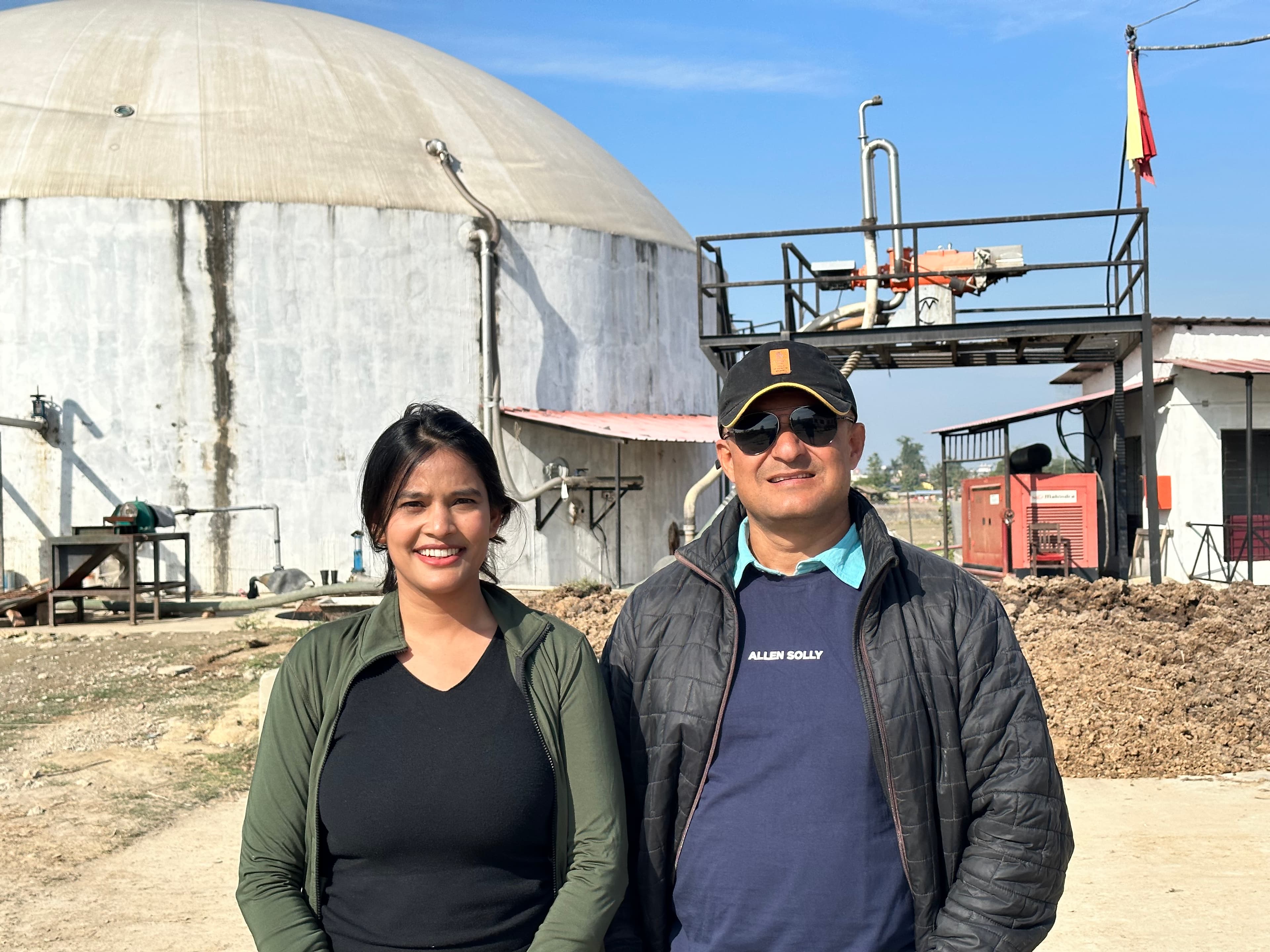
Carbon Away is an AgTech venture founded and managed by Divya Pant since 2021, converting organic waste into sustainable energy and fertilizer using anaerobic digestion technology. The venture addresses a critical gap in Nepal's waste infrastructure while developing carbon market infrastructure for smallholder systems.
In July 2022, the team installed their first commercial anaerobic digester in Nepal, capable of processing up to 30 tons of organic waste per day. Divya designed an ISO 14040/44-compliant life-cycle assessment for the system, quantifying Scope 1–3 GHG reductions and demonstrating a 65% emissions reduction versus baseline to support carbon credit verification.
Beyond the technology, Divya developed comprehensive carbon market MRV (monitoring, reporting, verification) frameworks, sized a $2M+ addressable market for agricultural carbon credits at $15–30/ton CO2e, and trained 120+ farmers and municipal officials on LCA methodology and carbon accounting. The venture has secured $8,500+ in competitive grants and awards.
Waste Capacity
Emissions Reduction
Grants & Awards
Carbon Market Potential for Nepal
Co-authored with Laxmi Pant
In a January 2025 op-ed published in The Rising Nepal, Divya and co-author Laxmi Pant laid out the case for Nepal's strategic entry into global carbon markets, a sector valued at $85.2 billion and growing rapidly.
The article argues that Nepal's vast forest coverage (44.74% of total land area), hydroelectric potential, and agricultural landscape position the country uniquely to generate carbon credits through reforestation, clean energy projects, and sustainable farming practices. However, realizing this potential requires coordinated policy action, institutional capacity building, and transparent carbon accounting frameworks.
Key policy recommendations include establishing a national carbon registry, developing standardized measurement and verification protocols, building technical capacity in carbon accounting, and creating incentive structures for smallholder farmers to participate in voluntary carbon markets.
Farmer Training & Community Impact
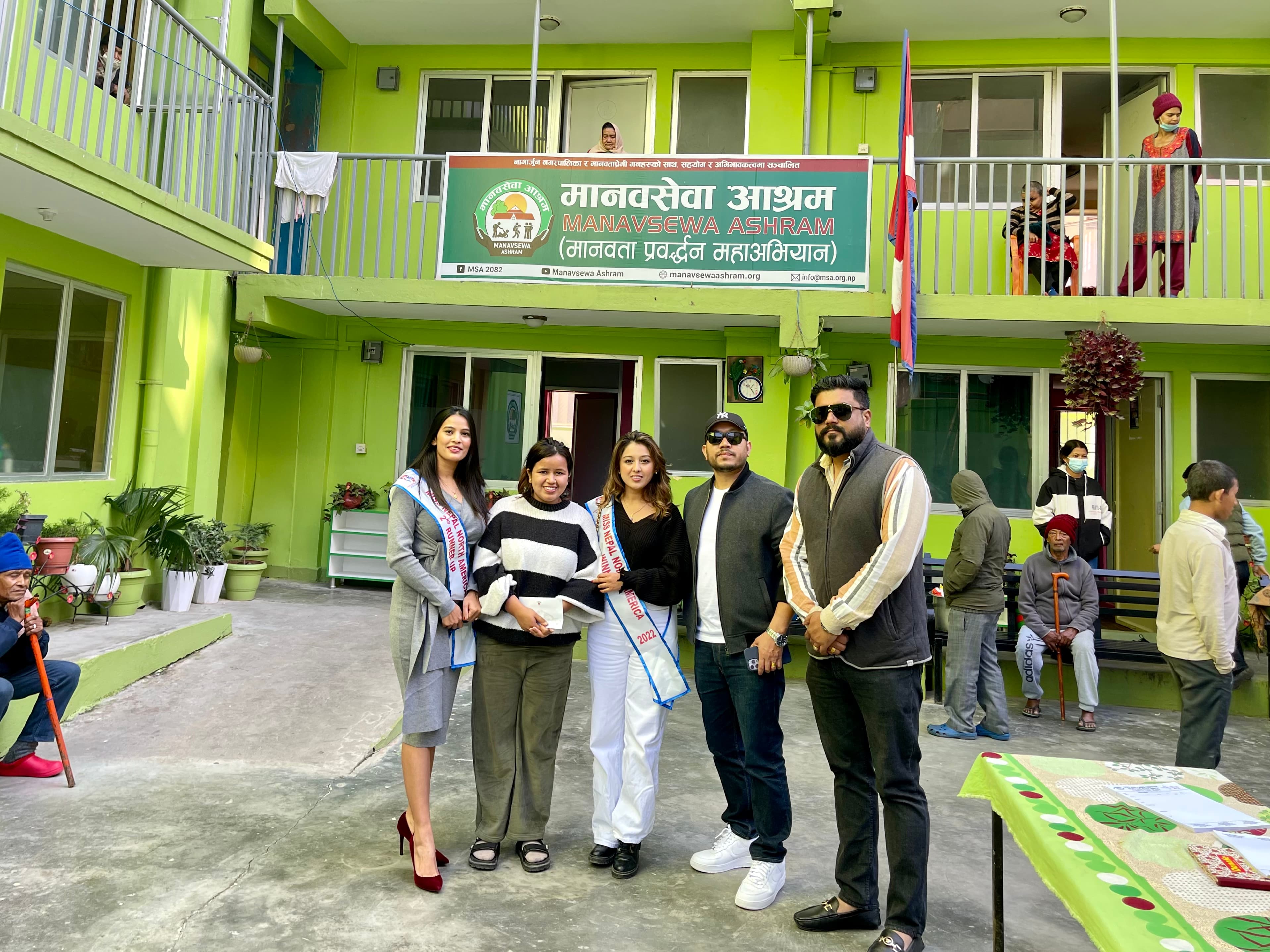
Through her work with the International Agriculture Development (INTAD) program and Youth for Agri Welfare in Nepal, Divya has directly trained over 120 farmers and municipal officials in sustainable agricultural practices and LCA methodology across rural Nepal.
Her training programs in Phalebas municipality and surrounding communities focused on biopesticide preparation, integrated pest management, and conservation agriculture techniques — practical skills that help smallholder farmers reduce chemical dependency while maintaining crop yields.
As Joint Secretary of Youth for Agri Welfare (2016–2018), Divya built women-centered agriculture programs reaching 50+ women entrepreneurs, designed climate-smart solutions for 100+ smallholder farmers, launched training pipelines for 200+ students, and co-created community cooperatives and local value chains.
Academic Research
Federal Bioeconomy Research (NSF ECO-CBET & USDA C-CHANGE)
Leading life-cycle assessment for $11.7M in federal bioeconomy research, delivering ISO 14040/44-compliant LCAs across 6+ technology configurations with multi-institutional collaboration spanning Penn State, Iowa State, and 5+ partner organizations.
NSF Graduate Research Fellowship
Awarded the prestigious NSF Fellowship for doctoral research on carbon accounting and life-cycle assessment for biorenewable energy systems.
NSF Innovation in Graduate Education Fellowship
Led comparative LCA of household vs. commercial biogas systems across Nepal and the U.S., developed Nepal-specific carbon accounting protocols, and trained 15+ stakeholders on technical assessment frameworks.
XPRIZE Carbon Removal — Team SANJEEVANI
Led Nepal's only team in the $100M XPRIZE Carbon Removal competition, establishing partnerships across Penn State, Tribhuvan University, and 8+ organizations for land-based carbon sequestration.
Publications
Pant, D., Brennan, R., & Costello, C.
SSRN (Under Review)
Pant, D., Shah, K. K., Sharma, S., et al.
Journal of Soil Science and Plant Nutrition, 23, 1421–1437
Giri, N. C., Das, S., Pant, D., et al.
Signals, Machines and Automation (Springer), 1023, 235–242
Jangid, R., Kumar, A., Masu, M., Kanade, N., & Pant, D.
Asian Journal of Agricultural and Horticultural Research, 10, 10–19
Secure Blockchain-Based Intelligent Internet of Things
Das, S., Giri, N. C., Mazumdar, K., Pant, D., et al.
Security Implementation in Internet of Medical Things (CRC Press), 23–36
Pandey, M., Kayastha, P., Shah, K. K., Pant, D., et al.
Heliyon, 8(9), e10445
Pant, D., Duiker, S. W., Bryant, R. B., & White, C. M.
Agriculture, Ecosystems & Environment (Under Review)
Correlation Coefficient and Path Analysis of Rice Genotypes under Reproductive Drought Stress
Pant, D., Sharma, S., & Poudel, A.
Crop Research, 54, 152–157
Strawberry Grey Mould, a Devastating Disease Caused by Botrytis cinerea
Rhouma, A., Hajji-Hedfi, L., Shah, K., Pant, D., et al.
Egyptian Journal of Phytopathology, 50(2), 44–50
Downy Mildew of Cucurbits Caused by Pseudoperonospora cubensis: Disease Profile and Management
Rhouma, A., Shah, K., Pant, D., & Khrieba, M. I.
International Journal of Plant Pathology and Microbiology, 2, 8–15
Disease Resistance Triggered by Plant Immunity System: Concept and Mechanism
Bhatta, M., Pant, D., Shah, K. K., et al.
Phytopathology Research (Under Review)
Duiker, S. W. & Pant, D.
Penn State Extension
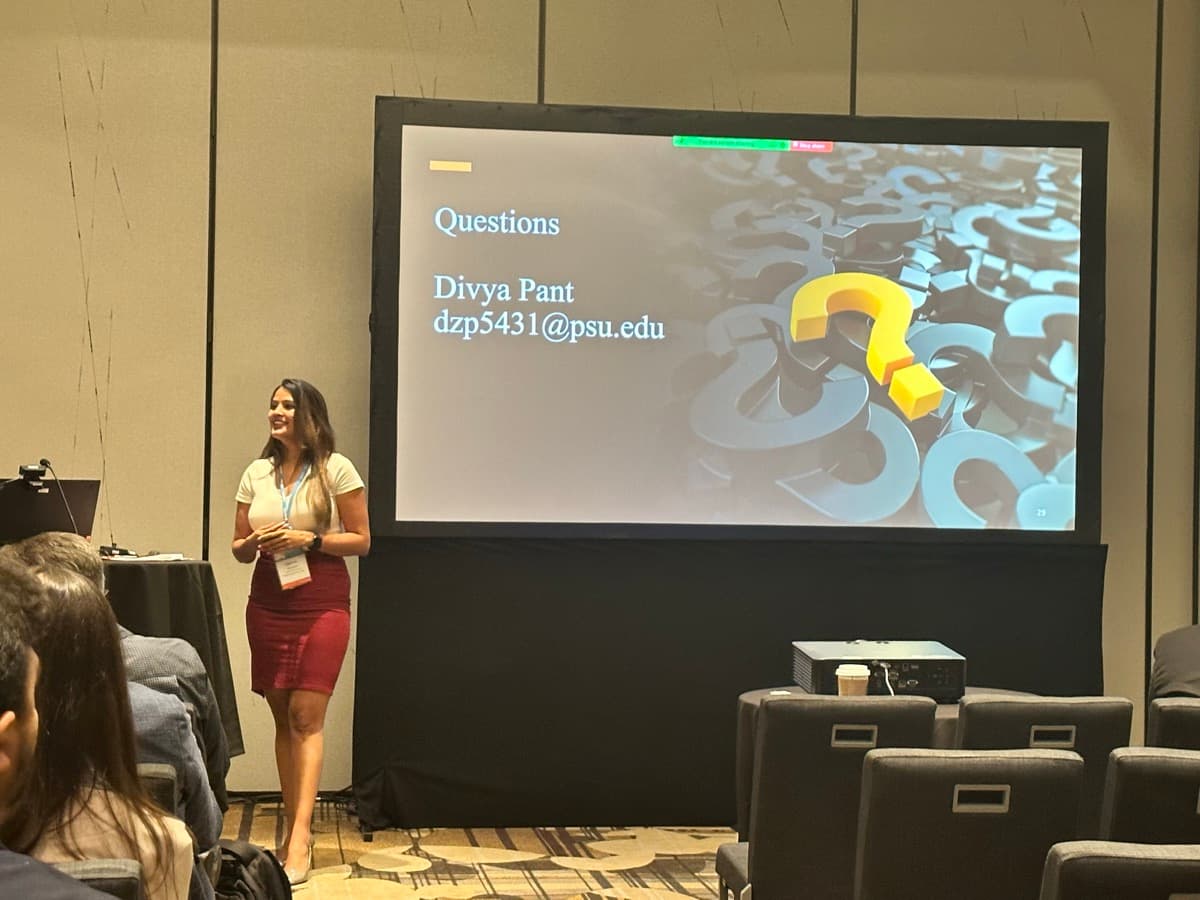
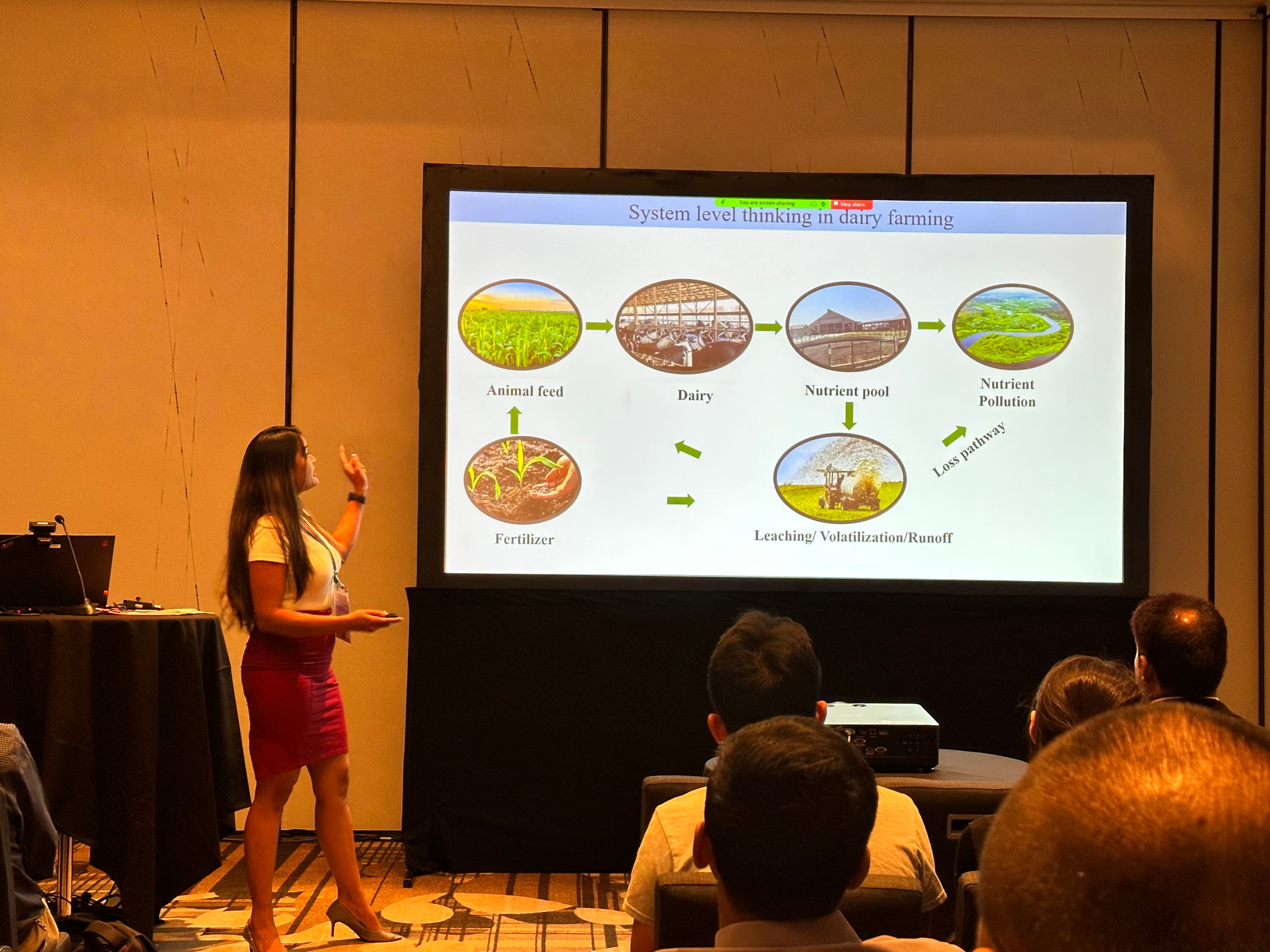
At Conferences & Presentations